This is one of the questions we are asked most often.
The answer is yes!
In South Africa, hair can be donated through CANSA’s Kindest Cut programme. Donated ponytails are collected and sent to professional wigmakers, where they are processed and used to create natural-hair wigs.
Many people don’t realise that a single wig often requires hair from multiple donors, which means every ponytail can make a difference.
Hair donation requirements generally include: ✔ Ideally 25cm or longer (shorter lengths may sometimes be used as filler) ✔ Hair must be clean and dry ✔ Dyed or treated hair is usually accepted ✔ The ponytail should be tied securely before cutting ✔ Hair should be placed in a sealed bag before being donated
While South Africa currently does not have a large national hair donation programme dedicated exclusively to Alopecia, donated hair helps create wigs that may become available to people experiencing hair loss for various reasons.
What if I want a wig made from hair collected privately?
Some families, schools, workplaces, churches, and communities choose to collect hair specifically for one child or adult living with Alopecia.
This can sometimes be done through a custom wigmaker, but it is important to understand the process:
✔ A full wig usually requires hair from multiple donors. ✔ The hair must meet minimum length and quality requirements. ✔ The hair needs to be sorted, matched, cleaned, and processed before it can be used. ✔ Not all wigmakers accept privately collected hair. ✔ Custom human-hair wigs can be costly because they are largely handmade.
For someone living with Alopecia, a wig made from hair donated by family and friends can be far more than just a wig. It can be a powerful reminder that they are supported, loved, and never walking this journey alone.
At Kaalkopkjint, we would love to hear from reputable South African wigmakers who are willing to work with privately donated hair for children and adults living with Alopecia. If you know of one, please tag them in the comments so we can help build a useful resource for our community.
If you have long hair and have been thinking about donating it for this cause, please don’t hesitate to reach out to us. While we cannot guarantee that every donation can be matched to a specific recipient, we would love to gauge interest, connect donors with resources, and explore ways to support members of the Alopecia community in the future.
The information provided in this article is shared for general awareness and educational purposes only. Kaalkopkjint is not a hair donation organization, wig manufacturer, medical institution, or registered charity that administers hair donation programmes.
While every effort is made to provide accurate and up-to-date information, donation requirements, processes, costs, and the availability of hair donation and wig-making services may change over time. Readers are encouraged to verify all information directly with the relevant organization, wigmaker, or service provider before donating hair, collecting hair donations, or making any financial commitments.
Kaalkopkjint does not guarantee that donated hair will be used for a specific individual, purpose, or project and accepts no responsibility or liability for agreements, transactions, or services arranged between donors, recipients, organizations, or wigmakers.
References to organizations, businesses, or service providers are provided solely as potential resources and should not be considered an endorsement, recommendation, or guarantee of their products, services, or practices.
Individuals interested in donating hair or having a wig made from privately donated hair are encouraged to conduct their own research and seek professional advice where appropriate.
When people think about Alopecia Universalis (AU), they often focus on the visible aspects of hair loss—the bald head, missing eyebrows, or absent eyelashes. What many people don’t realize is that AU affects every hair on the body, including the tiny hairs inside the nose.
While nose hair may seem insignificant, it serves several important functions that most people take for granted until it’s gone.
The Hidden Purpose of Nose Hair
The nose is one of the body’s first lines of defence against the outside world. Every breath we take brings in air that contains dust, pollen, bacteria, viruses, smoke, and countless microscopic particles.
Nose hairs help to:
Filter dust and debris from the air
Trap allergens before they enter the respiratory system
Catch some bacteria and airborne particles
Help regulate airflow through the nasal passages
Support the nose’s natural moisture balance
Work alongside mucus to protect the airways
Together, nose hair and mucus form a natural filtration system that helps keep unwanted particles from travelling deeper into the body.
What Happens When Nose Hair Is Gone?
For people living with Alopecia Universalis, this natural filter may be completely absent.
Without nose hair, the body loses one of its natural protective barriers. Although the immune system continues to function normally, there is less filtration of the air entering the nose. This means that more dust, pollen, irritants, and germs may reach the sensitive tissues inside the nasal passages and respiratory tract.
Many people with AU experience challenges that others may never consider.
Increased Exposure to Dust and Irritants
Without nose hair trapping airborne particles, dust, smoke, and environmental irritants can enter the nose more easily. This often leads to irritation, discomfort, and increased sensitivity in dusty or polluted environments.
More Frequent Sneezing
Sneezing is one of the body’s ways of removing irritants. When more particles reach the nasal passages, sneezing may occur more frequently as the body attempts to protect itself.
Greater Sensitivity to Allergens
Pollen, grass, animal dander, and other allergens can pass more freely into the nose when there is no hair to help trap them. For some individuals, allergy symptoms may feel more noticeable.
Increased Exposure to Germs
Nose hair helps catch some of the bacteria, viruses, and airborne particles that we encounter every day. Without this first layer of filtration, more particles may enter the respiratory system.
While losing nose hair does not automatically mean a person will become sick more often, it does remove part of the body’s natural filtering system. Many people with AU report increased sinus irritation, respiratory discomfort, or feeling more vulnerable during cold and flu seasons.
Dryness and Nasal Irritation
Nose hair helps slow airflow and assists in maintaining moisture within the nasal passages. Without it, many people experience dryness, irritation, crusting, or a burning sensation inside the nose.
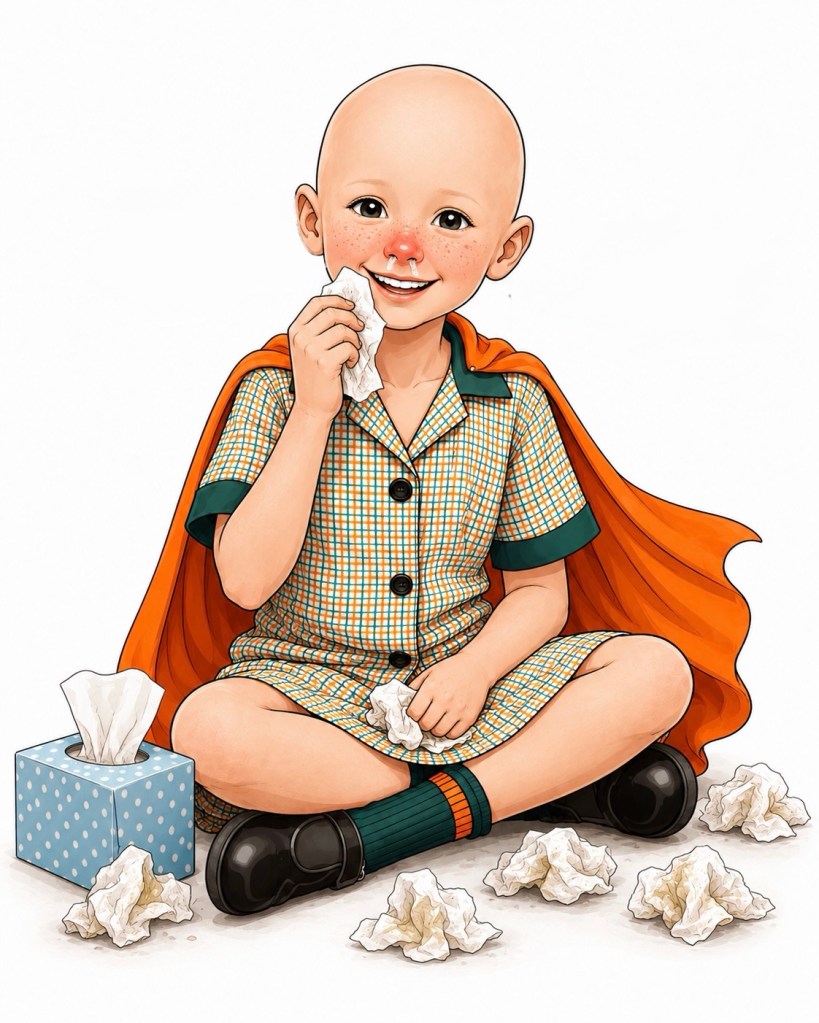
A Constant Runny Nose
One of the most common yet least discussed effects of losing nose hair is an ongoing runny nose.
Most people don’t realize that nose hairs help hold mucus inside the nostrils. When those hairs are absent, mucus can flow out much more easily.
Many people with AU find themselves constantly reaching for tissues throughout the day. Cold weather, exercise, laughter, eating hot foods, or simply moving between warm and cool environments can trigger a runny nose.
For some, carrying tissues everywhere becomes part of daily life.
Increased Awareness of Airflow
Many people with AU describe being unusually aware of air moving through their nostrils. Cold air can feel sharper, wind can feel more intense, and breathing itself can feel different when there is no hair present to soften and regulate airflow.
The Challenges Nobody Sees
One of the most difficult aspects of Alopecia Universalis is that many of its challenges are invisible.
People often notice the missing hair on the head but may never think about the loss of eyebrows, eyelashes, ear hair, or nose hair and the important roles these hairs play.
Although the loss of nose hair may seem minor, it can have a significant impact on comfort and daily life.
Creating Understanding
Alopecia is about much more than appearance.
Every hair on the human body exists for a reason. From protecting our eyes to filtering the air we breathe, these small hairs quietly perform important jobs every day.
By understanding the less visible effects of Alopecia Universalis, we can build greater empathy, awareness, and acceptance.
Because sometimes the smallest hairs have a much bigger purpose than we realize.
Meer as Net Hare: Waarom Neushare Belangrik Is by Alopecia Universalis
Wanneer mense aan Alopecia Universalis (AU) dink, fokus hulle gewoonlik op die sigbare haarverlies – die kaal kop, ontbrekende wenkbroue of die verlies van wimpers. Wat baie mense egter nie besef nie, is dat AU alle hare op die liggaam beïnvloed, insluitend die klein haartjies binne-in die neus.
Hoewel neushare onbelangrik mag lyk, verrig hulle verskeie belangrike funksies wat die meeste mense as vanselfsprekend aanvaar totdat dit nie meer daar is nie.
Die Verborge Doel van Neushare
Die neus is een van die liggaam se eerste verdedigingslinies teen die buitewêreld. Met elke asemteug word lug ingeasem wat stof, stuifmeel, bakterieë, virusse, rook en talle ander mikroskopiese deeltjies bevat.
Neushare help om:
Stof en vuildeeltjies uit die lug te filtreer
Allergene vas te vang voordat dit die lugweë bereik
Sommige bakterieë en ander luggedraagde deeltjies te onderskep
Lugvloei deur die neus te help reguleer
Die natuurlike vogbalans van die neus te ondersteun
Saam met slym as ’n natuurlike beskermingsfilter te werk
Saam vorm neushare en slym ’n belangrike stelsel wat help om ongewenste deeltjies uit die asemhalingstelsel te hou.
Wat Gebeur Wanneer Neushare Verdwyn?
Vir mense wat met Alopecia Universalis leef, is hierdie natuurlike filter dikwels heeltemal afwesig.
Sonder neushare verloor die liggaam een van sy natuurlike beskermingsmeganismes. Hoewel die immuunstelsel steeds normaal funksioneer, word minder deeltjies uit die ingeasemde lug gefiltreer. Dit beteken dat meer stof, stuifmeel, irritante en kieme die neusgange en lugweë kan bereik.
Meer Blootstelling aan Stof en Irritante
Sonder neushare wat stof en ander deeltjies opvang, kan hierdie irritante makliker die neus binnedring. Dit kan ongemak, irritasie en verhoogde sensitiwiteit veroorsaak.
Meer Gereelde Niesbuie
Wanneer meer deeltjies die neusgange bereik, kan nies meer gereeld voorkom as deel van die liggaam se natuurlike beskermingsreaksie.
Groter Sensitiwiteit vir Allergene
Stuifmeel, gras, dierehare en ander allergene kan makliker die neus binnedring wanneer daar geen neushare is om dit gedeeltelik op te vang nie.
Meer Blootstelling aan Kieme
Neushare help om van die bakterieë, virusse en ander luggedraagde deeltjies wat ons daagliks teëkom, op te vang. Wanneer hierdie natuurlike filter ontbreek, kan meer van hierdie deeltjies die asemhalingstelsel bereik.
Dit beteken nie noodwendig dat iemand met AU makliker siek word nie, maar dit verwyder wel ’n deel van die liggaam se natuurlike beskerming. Baie mense met AU rapporteer meer sinusirritasie en asemhalingsongemak.
Droogheid en Neusirritasie
Sonder neushare ervaar baie mense droogheid, irritasie, korsvorming of ’n branderige gevoel in die neus.
’n Aanhoudende Loopneus
Een van die mees algemene, maar minste bespreekte, gevolge van die verlies van neushare is ’n aanhoudende loopneus.
Neushare help normaalweg om slym binne die neus vas te hou. Wanneer die hare ontbreek, kan slym baie makliker uit die neus vloei.
Baie mense met AU dra daarom gereeld sneesdoekies by hulle. Koue weer, oefening, lag, warm kos of selfs die beweging tussen warm en koue omgewings kan ’n loopneus veroorsaak.
Vir sommige mense word dit deel van hul daaglikse lewe.
Verhoogde Bewustheid van Lugvloei
Baie mense met AU beskryf dat hulle baie meer bewus is van lug wat deur hul neus beweeg. Koue lug kan skerper voel, wind kan meer intens ervaar word, en asemhaling kan anders voel sonder neushare.
Die Uitdagings Wat Niemand Sien Nie
Een van die moeilikste aspekte van Alopecia Universalis is dat baie van die uitdagings onsigbaar is.
Mense sien die haarverlies op die kop raak, maar dink selde aan die verlies van wenkbroue, wimpers, oorhare of neushare en die belangrike funksies wat hierdie hare verrig.
Om Begrip te Skep
Alopecia gaan oor baie meer as net voorkoms.
Elke haar op die menslike liggaam het ’n doel. Van die beskerming van ons oë tot die filtrering van die lug wat ons inasem, verrig hierdie klein hare belangrike take elke dag.
Deur die minder bekende gevolge van Alopecia Universalis te verstaan, kan ons groter empatie, begrip en aanvaarding skep.
Want soms het die kleinste hare ’n baie groter doel as wat ons besef.
Bewustheid skep begrip. Begrip skep aanvaarding.
Medical Disclaimer | Mediese Vrywaring
This article is provided for educational and awareness purposes only and does not constitute medical advice, diagnosis, or treatment. The functions of nose hair described in this article are supported by medical literature. However, research specifically examining the effects of complete nose-hair loss in people with Alopecia Universalis remains limited.
Some experiences discussed, including increased nasal irritation, runny noses, sensitivity to environmental irritants, and perceived vulnerability to respiratory illnesses, are commonly reported by individuals living with Alopecia Universalis and are included to reflect lived experiences. Individual experiences may vary.
Hierdie artikel word slegs vir opvoedkundige en bewusmakingsdoeleindes gedeel en vervang nie professionele mediese advies, diagnose of behandeling nie. Die funksies van neushare soos beskryf in hierdie artikel word deur mediese literatuur ondersteun. Navorsing wat spesifiek fokus op die gevolge van volledige verlies van neushare by mense met Alopecia Universalis is egter beperk.
Sommige ervarings wat hier bespreek word, insluitend neusirritasie, loopneuse, sensitiwiteit vir omgewingsirritante en die gevoel van verhoogde blootstelling aan respiratoriese siektes, word gereeld deur mense met Alopecia Universalis gerapporteer en word ingesluit om hul leefervaring weer te gee. Ervarings kan van persoon tot persoon verskil.
References | Verwysings
Cleveland Clinic. Nose: Anatomy, Function & Related Conditions. (my.clevelandclinic.org)
The Human Microbiome—A Physiologic Perspective (Respiratory System). PubMed Central. (pmc.ncbi.nlm.nih.gov)
Faramarzi et al. (2025). Numerical Study of Nasal Hair Effects on Breathing Comfort and Particle Deposition in a Simplified Vestibule Region.PubMed. (pubmed.ncbi.nlm.nih.gov)
Wanneer mense hoor van “immuunbehandeling” of “immunoglobulien-terapie,” klink dit dikwels ingewikkeld of selfs vreesaanjaend. Baie mense besef egter nie hoeveel kinders én volwassenes daagliks met immuunverwante toestande leef nie — van chroniese infeksies en outo-immuun siektes tot immuungebreke.
Hierdie behandelings word nie net gebruik vir ernstige siektes nie, maar ook om die liggaam te help wanneer die immuunstelsel nie optimaal funksioneer nie.
Wat is die Immuunstelsel?
Die immuunstelsel is die liggaam se natuurlike verdedigingsmeganisme teen:
bakterieë,
virusse,
swamme,
en ander infeksies.
Een van die belangrikste dele van die immuunstelsel is teenliggaampies (antibodies), ook bekend as immunoglobuliene. Hierdie proteïene help die liggaam om kieme te herken en te beveg.
Wanneer iemand:
nie genoeg teenliggaampies produseer nie,
aanhoudend siek word,
of ’n immuunverwante toestand ontwikkel,
kan dokters immunoglobulien-behandeling oorweeg om ekstra ondersteuning aan die immuunstelsel te gee.
Verskillende Tipes Immuunbehandelings
1. Immunoglobulien-Inspuitings (IMIG)
Voorbeelde:
Beriglobin
Intragam
Hierdie behandeling word as inspuitings diep in die spier gegee, gewoonlik:
in die dye by klein kinders,
of in die glute-spier by ouer kinders en volwassenes.
Hoe werk dit?
Die inspuitings bevat teenliggaampies afkomstig van gesonde bloedskenkers. Hierdie teenliggaampies help die liggaam om infeksies beter te beveg.
Wanneer word dit gebruik?
Herhalende infeksies
Chroniese strep-infeksies
Tydelike immuunondersteuning
Sekere immuungebreke
Sommige inflammatoriese toestande
Voordele:
Meer bekostigbaar
Makliker om toe te dien
Kan maandeliks gegee word
Nadele:
Kan baie pynlik wees
Die medikasie is dik en brand soms tydens inspuiting
Kan spierpyn en moegheid veroorsaak
2. Intraveneuse Immunoglobulien (IVIG)
Voorbeeld:
Polygam
IVIG is ’n meer intensiewe vorm van immunoglobulien-behandeling.
Hierdie behandeling word:
deur ’n drup direk in die aar gegee,
gewoonlik in ’n hospitaal,
onder toesig van dokters en verpleegsters.
Hoe werk dit?
Omdat die teenliggaampies direk in die bloedstroom toegedien word, kan hoër dosisse vinniger werk en die immuunstelsel meer intensief ondersteun.
Wanneer word dit gebruik?
IVIG word dikwels gebruik vir:
Primêre immuungebreke
ITP (Immune Thrombocytopenia)
Guillain-Barré-sindroom
Kawasaki-siekte
Sekere neurologiese toestande
Chroniese inflammatoriese siektes
Ernstige of aanhoudende infeksies
Voordele:
Sterker en vinniger werking
Kan baie effektief wees vir sekere toestande
Word internasionaal wyd gebruik
Nadele:
Baie duur
Vereis hospitaaltoediening
Mediese fondse dek dit nie altyd nie
Behandeling kan ure neem
Moontlike Newe-effekte:
Hoofpyne
Naarheid
Koors
Lyfseer
Uitputting
Allergiese reaksies
Werk Immuunbehandelings Vir Alles?
Nee.
Een van die grootste wanopvattings is dat immuunbehandeling ’n “wondermiddel” is.
Soms help dit:
om infeksies te verminder,
die immuunstelsel te ondersteun,
of inflammasie te beheer.
Maar dit beteken nie noodwendig dat dit:
outo-immuun toestande sal genees,
alopecia sal verbeter,
of alle simptome sal laat verdwyn nie.
Elke liggaam reageer anders.
Wat wonderlik werk vir een persoon, mag baie min effek hê vir iemand anders.
Die Emosionele en Finansiële Realiteit
Vir baie families is die moeilikste deel nie net die siekte nie — maar alles rondom dit:
die hospitaalbesoeke,
die pynlike behandelings,
die wagtye,
die mediese fondsgoedkeurings,
die finansiële druk,
en die emosionele uitputting.
Baie kinders wat immuunbehandeling ontvang lyk “normaal” op hul goeie dae.
Mense sien nie altyd:
die swak dae,
die herstel ná behandelings,
die naalde,
of die jare van onsekerheid agter die skerms nie.
Hoekom Bewusmaking Belangrik Is
Chroniese siekte en immuunverwante toestande is dikwels onsigbaar.
Deur meer daaroor te praat:
help ons ander families voel minder alleen,
skep ons meer begrip,
en herinner ons mense dat daar dikwels baie meer agter ’n glimlag skuil as wat die wêreld sien.
Disclaimer
Hierdie blogpos is gebaseer op persoonlike ervaring en algemene inligting oor immuunbehandelings en immunoglobulien-terapie. Dit is nie bedoel as mediese advies, diagnose of behandeling nie. Elke persoon en mediese toestand is uniek, en behandelings verskil volgens individuele behoeftes en spesialis-aanbevelings.
Raadpleeg altyd ’n gekwalifiseerde dokter, pediater, immunoloog of mediese spesialis vir professionele mediese advies rakende enige simptome, diagnose of behandeling.
Die doel van hierdie artikel is slegs om bewustheid te skep rondom immuunverwante toestande, behandelingsopsies en die realiteit wat baie families agter die skerms ervaar.
Verwysings
Mayo Clinic – Intravenous Immune Globulin (IVIG)
Cleveland Clinic – Immunoglobulin Therapy
Johns Hopkins Medicine – Intravenous Immunoglobulin Therapy
Primary Immune Deficiency Foundation
Immune Treatments: How They Work, What the Options Are, and Why They Are Sometimes Needed
When people hear terms like “immune treatment” or “immunoglobulin therapy,” it often sounds complicated or even frightening. Many people, however, do not realize how many children and adults live daily with immune-related conditions — from chronic infections and autoimmune diseases to immune deficiencies.
These treatments are not only used for severe illnesses, but also to help support the body when the immune system is not functioning properly.
What Is the Immune System?
The immune system is the body’s natural defense mechanism against:
bacteria,
viruses,
fungi,
and other infections.
One of the most important parts of the immune system is antibodies, also known as immunoglobulins. These proteins help the body recognize and fight harmful germs.
When someone:
does not produce enough antibodies,
becomes constantly ill,
or develops an immune-related condition,
doctors may consider immunoglobulin therapy to provide additional immune support.
Different Types of Immune Treatments
1. Intramuscular Immunoglobulin (IMIG)
Examples:
Beriglobin
Intragam
This type of treatment is given as deep injections into the muscle, usually:
in the thighs for small children,
or in the glute muscle for older children and adults.
How does it work?
The injections contain antibodies collected from healthy blood donors. These antibodies help the body fight infections more effectively.
When is it used?
Recurrent infections
Chronic strep infections
Temporary immune support
Certain immune deficiencies
Some inflammatory conditions
Advantages:
More affordable
Easier to administer
Can be given monthly
Disadvantages:
Can be very painful
The medication is thick and may burn during injection
Can cause muscle pain and fatigue
2. Intravenous Immunoglobulin (IVIG)
Example:
Polygam
IVIG is a more intensive form of immunoglobulin therapy.
This treatment is administered:
through an IV drip directly into the bloodstream,
usually in hospital,
under specialist supervision.
How does it work?
Because the antibodies are delivered directly into the bloodstream, higher doses can work faster and provide more intensive immune support.
When is it used?
IVIG is often used for:
Primary immune deficiencies
ITP (Immune Thrombocytopenia)
Guillain-Barré syndrome
Kawasaki disease
Certain neurological conditions
Chronic inflammatory diseases
Severe or persistent infections
Advantages:
Stronger and faster acting
Can be highly effective for certain conditions
Widely used internationally
Disadvantages:
Extremely expensive
Requires hospital administration
Medical aids do not always cover it
Treatments can take several hours
Possible Side Effects:
Headaches
Nausea
Fever
Body aches
Fatigue
Allergic reactions
Do Immune Treatments Work for Everything?
No.
One of the biggest misconceptions is that immune treatment is a “miracle cure.”
Sometimes it helps:
reduce infections,
support the immune system,
or control inflammation.
But this does not necessarily mean it will:
cure autoimmune diseases,
improve alopecia,
or remove all symptoms.
Every body responds differently.
What works incredibly well for one person may have very little effect for another.
The Emotional and Financial Reality
For many families, the hardest part is not only the illness itself — but everything surrounding it:
hospital visits,
painful treatments,
waiting periods,
medical aid approvals,
financial pressure,
and the emotional exhaustion.
Many children receiving immune treatments look “normal” on their good days.
People do not always see:
the bad days,
the recovery after treatments,
the needles,
or the years of uncertainty behind the scenes.
Why Awareness Matters
Chronic illness and immune-related conditions are often invisible.
By talking more openly about them:
we help other families feel less alone,
create more understanding,
and remind people that there is often far more behind a smile than the world realizes.
Disclaimer
This blog post is based on personal experience and general information regarding immune treatments and immunoglobulin therapy. It is not intended as medical advice, diagnosis, or treatment. Every person and medical condition is unique, and treatments differ according to individual needs and specialist recommendations.
Always consult a qualified doctor, pediatrician, immunologist, or medical specialist for professional medical advice regarding any symptoms, diagnosis, or treatment.
The purpose of this article is purely to create awareness around immune-related conditions, treatment options, and the reality many families experience behind the scenes.
References
Mayo Clinic – Intravenous Immune Globulin (IVIG)
Cleveland Clinic – Immunoglobulin Therapy
Johns Hopkins Medicine – Intravenous Immunoglobulin Therapy
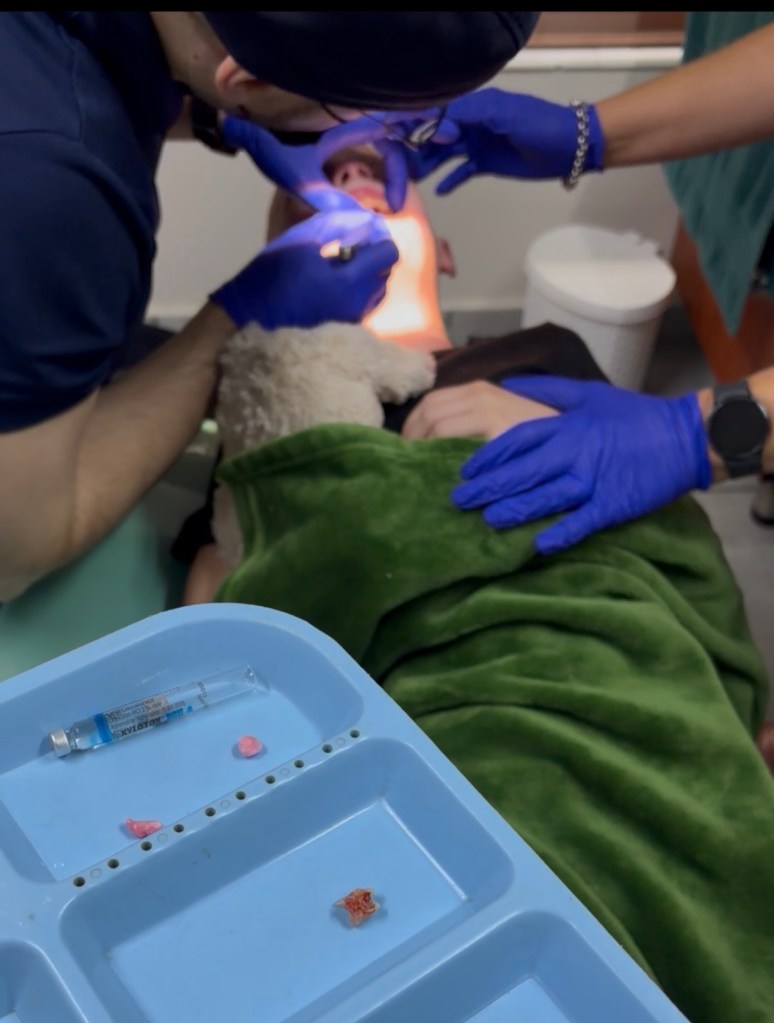
Daar is dinge wat mense sien… en dan is daar dinge wat niemand regtig verstaan totdat hulle saam met jou in die tandartsstoel sit nie. 🦷💛
Een van daardie dinge in Kqiara se pad was haar tande.
Van buite af bring ernstige tandbederf dikwels vinnige aannames — te veel suiker, swak borsel, nalatigheid, nie genoeg sorg nie. Maar wanneer jy binne-in ’n kind se mediese storie leef, besef jy gou dat tande soms ’n baie dieper storie vertel as wat mense dink.
Kqiara het gereelde tandartsbesoeke gehad, goeie mondhigiëne, roetines en al die dinge wat mens veronderstel is om te doen om tande te beskerm. Tog het ons onsself steeds bevind by moeilike behandelings, nuwe planne en die emosionele gewig daarvan om te sien hoe tandbederf vorder op maniere wat nie altyd sin maak met die moeite wat daaragter lê nie.
Wat baie mense nie altyd besef nie, is dat tande by medies komplekse kinders deel kan wees van ’n veel groter prentjie.
In Kqiara se geval laat chroniese inflammasie, herhalende infeksies, immuunstelsel-onbalans en die breër invloed van haar gesondheidspad vrae ontstaan wat veel verder gaan as net borsel alleen. Chroniese strep, PANDAS/PANS-inflammasie, moontlike veranderinge in speeksel, mineraalabsorpsie, mondasemhaling tydens slaap, medikasiegeskiedenis en immuunstres kan alles ’n rol speel in wat binne die mond gebeur.
Speeksel beskerm tande meer as wat meeste mense besef. Dit neutraliseer sure, help om emalje te herstel en beheer skadelike bakterieë. Wanneer daardie balans verander, kan tande vinnig verswak — selfs wanneer mondhigiëne ernstig opgeneem word.
En dan is daar die emosionele deel waaroor min gepraat word.
Om langs jou kind te sit terwyl sy die tandarts vertrou om deur pyn te werk. Om dapperheid te sien in ’n stoel waarvoor baie grootmense bang sou wees. Om vrae te probeer antwoord waarop jy self nog antwoorde soek. Om skuld te dra wat nie altyd joune is nie.
Elke tandartsbesoek word meer as net ’n afspraak. Dit word nog ’n hoofstuk in die verstaan van hoe fyn alles in die liggaam met mekaar verbind is.
Vir ons het hierdie pad geduld geleer, om vrae te vra, vir antwoorde te bly soek en nie altyd net oppervlakkige verklarings te aanvaar nie.
Want soms gaan tandbederf nie net oor tande nie. Soms is dit nog ’n simptoom wat iets dieper probeer sê.
En as daar een ding is wat Kqiara my aanhou leer, is dit dat ware krag dikwels stil opdaag — onder helder tandartsligte, met klein handjies wat styf vasklou, en moed wat baie groter is as haar jare. ✨
Mediese vrywaring: Hierdie blog deel ons persoonlike ervaring en reis, en is nie bedoel as mediese advies of diagnose nie. Elke kind en elke mediese geval is uniek. Raadpleeg altyd ’n gekwalifiseerde mediese of tandheelkundige praktisyn vir professionele advies, evaluasie en behandeling.
More than Teeth
There are things people see… and then there are things people never fully understand until they sit in the chair with you. 🦷💛
One of those things in Kqiara’s journey has been her teeth.
From the outside, severe tooth decay often immediately brings assumptions — too much sugar, poor brushing, neglect, not enough care. But when you are living inside a child’s medical story, you quickly learn that sometimes teeth tell a much deeper story than what people expect.
Kqiara has had regular dental care, attention to hygiene, routines, and all the things a parent is told should protect a child’s mouth. Yet despite doing what we could, we still found ourselves facing repeated dentist visits, difficult conversations, treatment plans, and the emotional weight of seeing decay progress in ways that never seemed to fully match the effort behind prevention.
What many do not always realise is that in medically complex children, teeth can become part of a much bigger picture.
In Kqiara’s case, chronic inflammation, recurrent infections, immune dysregulation, and the wider effects linked to her health journey raise questions that go far beyond brushing alone. Chronic strep exposure, PANDAS/PANS-related inflammation, possible changes in saliva, mineral absorption, mouth breathing during sleep, medication history, and immune stress can all influence the environment inside a child’s mouth.
Saliva protects teeth far more than most people realise. It neutralises acids, repairs enamel, and helps control harmful bacteria. When that balance changes, teeth can deteriorate quickly — even when hygiene is taken seriously.
And then there is the emotional side no one talks about enough.
Sitting beside your child while they trust a dentist to work through pain. Watching bravery in a chair that would make many adults anxious. Trying to answer questions you also wish you understood fully yourself. Carrying guilt that does not always belong to you.
Every dental visit becomes more than just a check-up. It becomes another chapter in understanding how interconnected the body really is.
For us, these visits have taught patience, advocacy, second opinions, and the importance of asking deeper questions instead of accepting surface answers.
Because sometimes decay is not simply about teeth. Sometimes it is another symptom asking to be heard.
And if there is one thing Kqiara keeps teaching us, it is that strength often shows up quietly — even under bright dental lights, with tiny hands gripping tightly, and courage far bigger than her years. ✨
Medical disclaimer: This blog shares our personal experience and journey and is not intended as medical advice or diagnosis. Every child and every medical case is unique. Always consult a qualified medical or dental professional for professional advice, assessment, and treatment.
After years of searching for answers, Kqiara’s final diagnoses helped explain what had been happening in her body.
Blood tests eventually confirmed chronic Streptococcus exposure, and she was also diagnosed with Strep-related PANDAS (Pediatric Autoimmune Neuropsychiatric Disorders Associated with Streptococcal infections).
These diagnoses helped doctors understand that alopecia was not the root cause, but rather a symptom of an immune response that had been triggered in her body.
However, reaching that understanding took time.
The Three-Year Search for Answers
Before the final diagnosis was made, there were almost three years of consultations, investigations, and different tests as doctors worked to identify the underlying cause of Kqiara’s symptoms.
During this time, several possible explanations were explored while doctors searched for the root trigger behind the immune response.
Eventually, blood tests confirmed chronic strep exposure, helping connect several pieces of the medical puzzle.
But the events that may have triggered the immune response started much earlier.
The Injury That Started the Timeline
When Kqiara was just two years old, she broke her leg on a trampoline. The injury was diagnosed as a greenstick fracture, which is common in young children because their bones are softer and more flexible.
To stabilise the fracture, a backslab cast was applied.
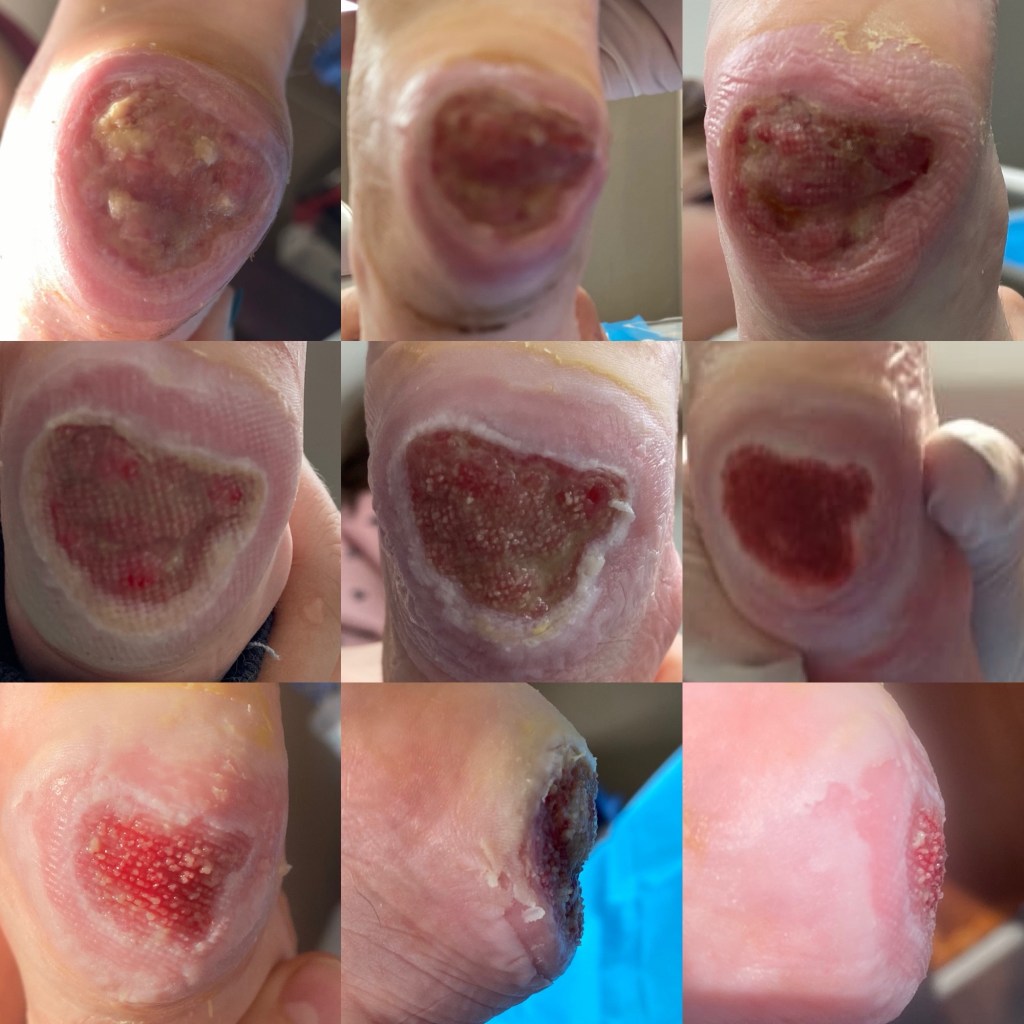
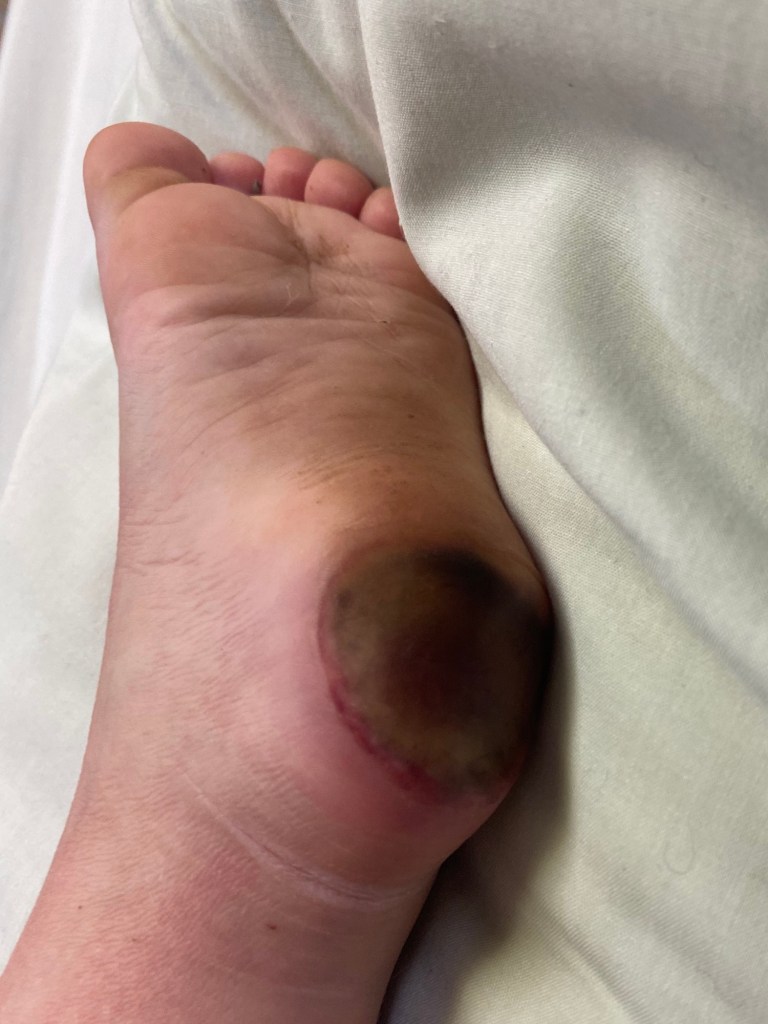
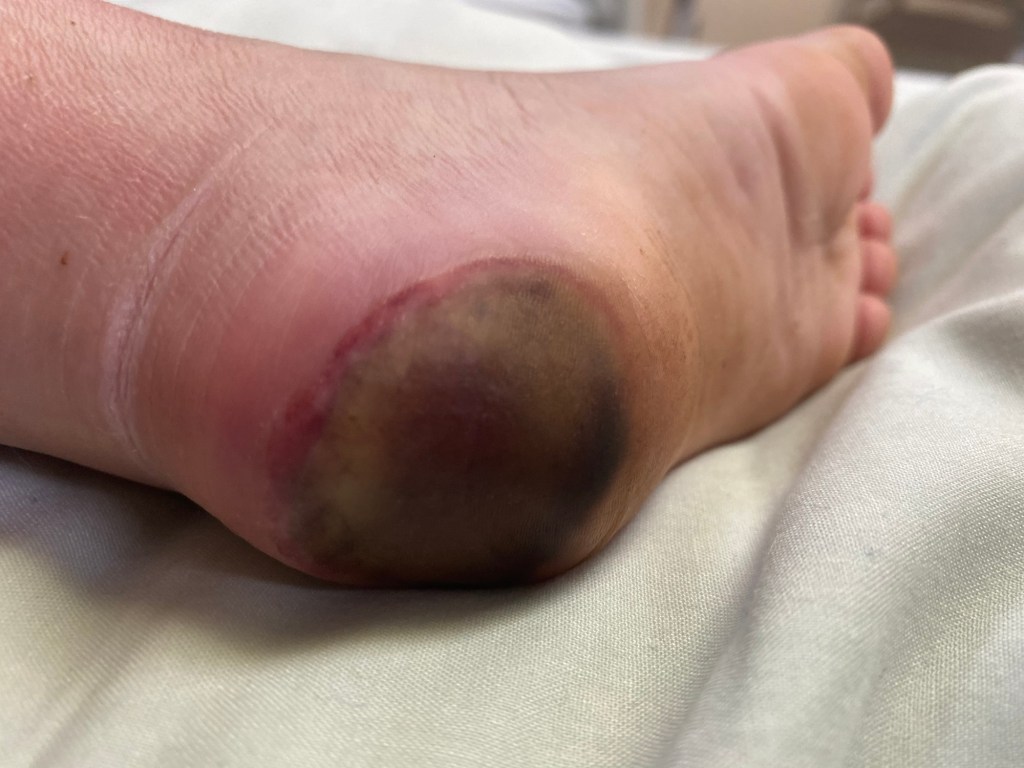
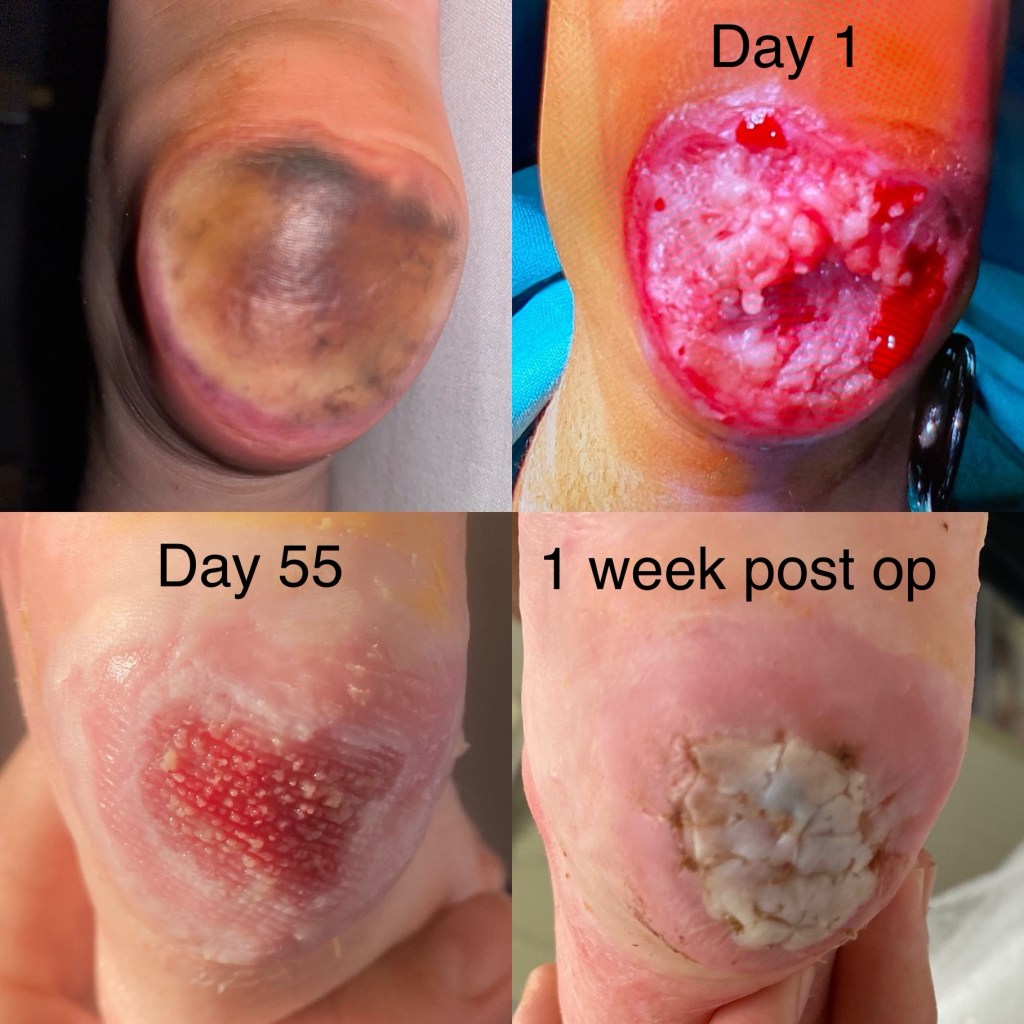
Unfortunately, the cast placed continuous pressure on the back of her heel.
Development of a Pressure Ulcer
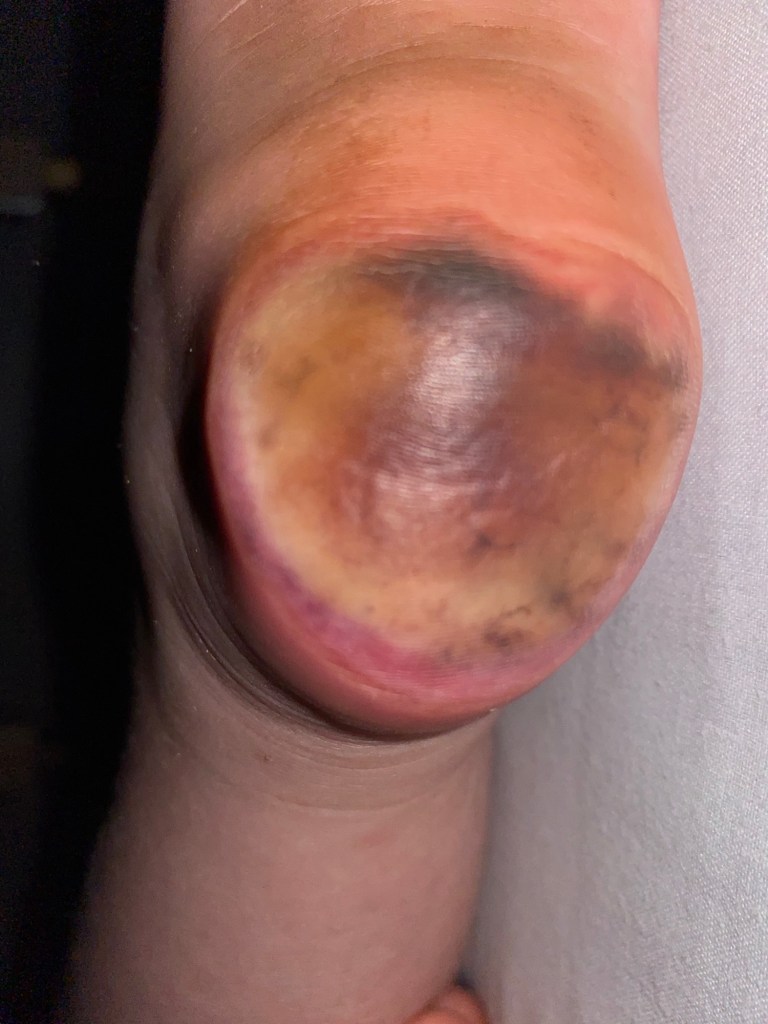
Because the heel remained under constant pressure inside the cast, a pressure ulcer developed.
A pressure ulcer occurs when prolonged pressure reduces blood circulation to the skin and underlying tissue. Without adequate blood flow, the tissue begins to break down.
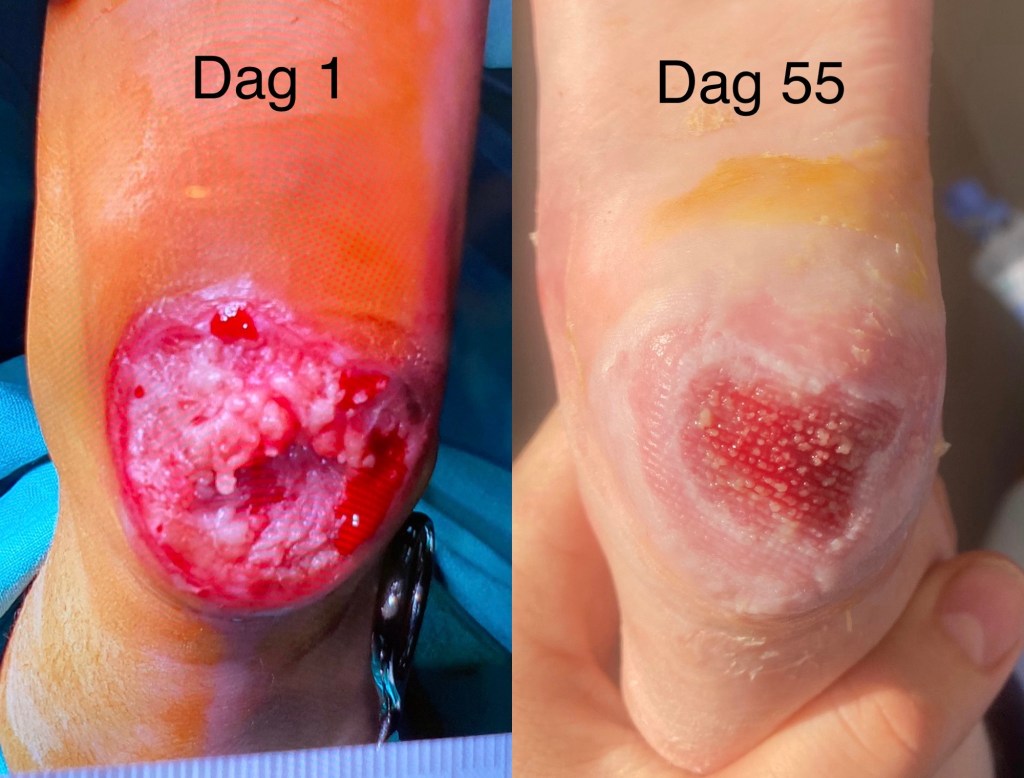
In Kqiara’s case, the wound became severe and gangrene began developing in the heel tissue.
Doctors warned that if the gangrene spread into the heel bone (calcaneus), amputation could become necessary to stop the infection from spreading further.
Surgical Treatment and Wound Therapy
To prevent this, Kqiara underwent surgical debridement, where dead and damaged tissue was removed.
After the debridement, doctors started negative pressure wound therapy, also known as vacuum-assisted wound therapy.
This treatment helps wounds heal by:
• removing fluid and bacteria
• improving blood circulation
• encouraging the growth of healthy tissue
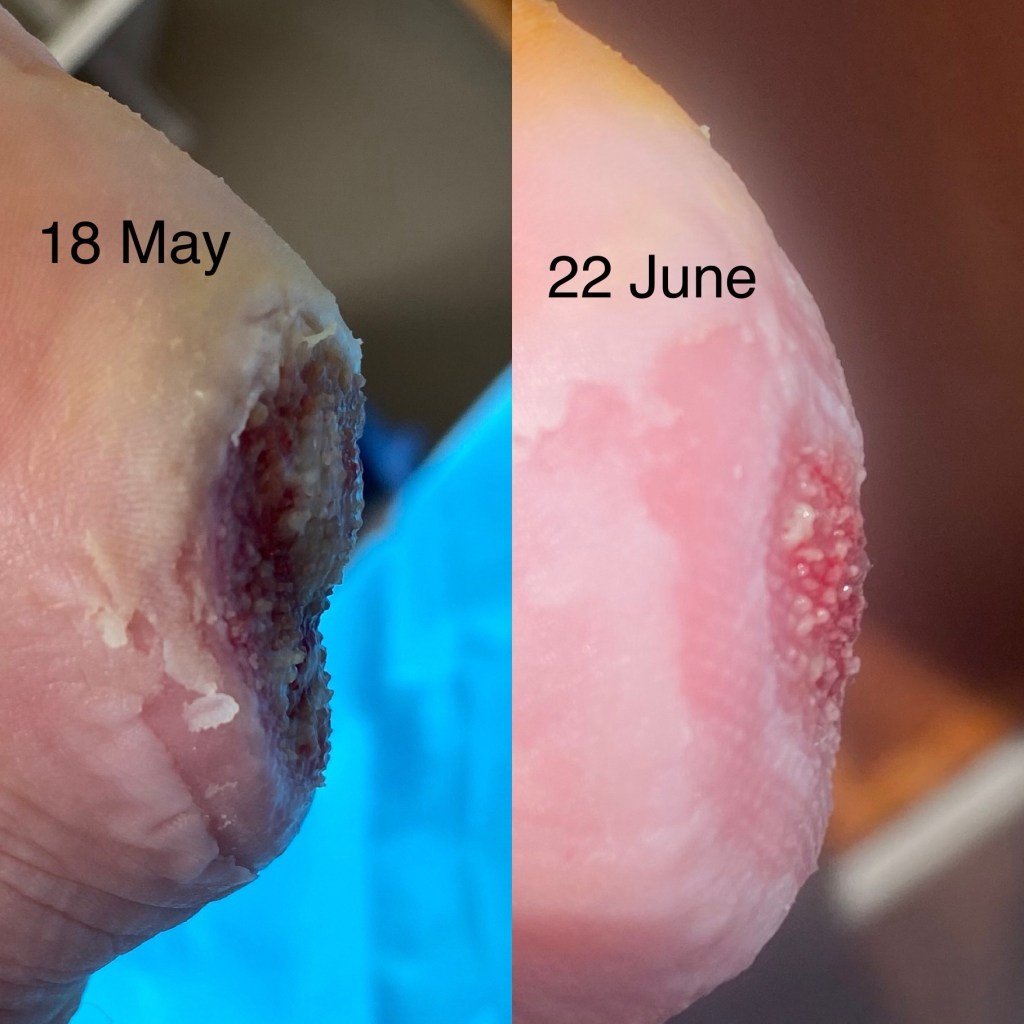
Over time, this therapy helped rebuild tissue in the heel.
Once enough healthy tissue had formed, doctors were able to perform a skin graft to close the wound.
Where Streptococcus May Have Played a Role
A wound that remains open for a long period can allow bacteria to enter the body.
One bacterium commonly associated with wound infections is Streptococcus pyogenes (Group A Streptococcus).
When these bacteria enter the body, the immune system activates to fight the infection. In some cases, the bacteria—or the immune response triggered by them—can circulate through the bloodstream and activate the immune system more widely.
Immune Response and Alopecia
In most cases infections resolve without complications. However, in certain individuals the immune system can remain highly activated.
This immune activation can sometimes lead to autoimmune reactions, where the immune system mistakenly attacks the body’s own tissues.
Conditions associated with this process include:
• PANDAS, where immune reactions affect parts of the brain
• Alopecia areata, where the immune system attacks hair follicles
The Onset of Hair Loss
Not long after Kqiara’s recovery from the heel injury and wound treatment, she began experiencing hair loss, which later led to her diagnosis of alopecia.
At that time, the underlying cause was still unknown. It would take years of investigation before doctors were able to connect the symptoms to chronic strep exposure and Strep-related PANDAS.
Understanding the Full Picture
The final diagnoses helped explain what had been happening in Kqiara’s body, but the journey to reach those answers involved many steps.
Between the initial heel injury and the onset of alopecia, a great deal transpired medically.
Understanding the full story required connecting many pieces over time.
And this is only part of the journey.
——————————————————
Kqiara se Reis: Van Diagnose Terug na die Begin
Na jare se soek na antwoorde het Kqiara se finale diagnoses uiteindelik gehelp om te verduidelik wat in haar liggaam gebeur het.
Bloedtoetse het uiteindelik chroniese Streptococcus-blootstelling bevestig, en sy is ook gediagnoseer met Strep-verwante PANDAS (Pediatric Autoimmune Neuropsychiatric Disorders Associated with Streptococcal infections).
Hierdie diagnoses het dokters gehelp verstaan dat alopecia nie die oorsaak was nie, maar eerder ’n simptoom van ’n immuunreaksie wat in haar liggaam geaktiveer is.
Maar om by daardie begrip uit te kom het tyd geneem.
Die Drie-Jaar Soektog na Antwoorde
Voordat die finale diagnose gemaak is, was daar byna drie jaar van konsultasies, ondersoeke en verskeie toetse terwyl dokters probeer het om die onderliggende oorsaak van Kqiara se simptome te identifiseer.
Gedurende hierdie tyd is verskeie moontlike verklarings ondersoek terwyl dokters probeer vasstel het wat die immuunreaksie veroorsaak het.
Uiteindelik het bloedtoetse chroniese strep-blootstelling bevestig en verskeie stukke van die mediese legkaart begin saamvoeg.
Maar die gebeure wat moontlik die immuunreaksie geaktiveer het, het baie vroeër begin.
Die Besering wat die Tydlyn Begin het
Toe Kqiara net twee jaar oud was, het sy haar been op ’n trampolien gebreek. Die besering is gediagnoseer as ’n greenstick-fraktuur, wat algemeen by jong kinders voorkom omdat hul bene sagter en meer buigsaam is.
Om die fraktuur te stabiliseer is ’n backslab-gips aangebring.
Ongelukkig het die gips konstante druk op die agterkant van haar hak geplaas.
Ontwikkeling van ’n Drukwond
Omdat die hak voortdurend onder druk was binne die gips, het ’n drukwond ontwikkel.
’n Drukwond ontstaan wanneer langdurige druk die bloedvloei na die vel en onderliggende weefsel verminder. Sonder voldoende bloedvloei begin die weefsel afbreek.
In Kqiara se geval het die wond ernstig geraak en gangreen het begin ontwikkel in die hakweefsel.
Dokters het gewaarsku dat indien die gangreen tot in die hakbeen (calcaneus) versprei, amputasie moontlik nodig sou wees om te verhoed dat die infeksie verder versprei.
Chirurgiese Behandeling en Wondterapie
Om dit te voorkom het Kqiara chirurgiese debridement ondergaan, waar dooie en beskadigde weefsel verwyder is.
Na die debridement het dokters begin met negatiewe druk wondterapie, ook bekend as vakuum-geassisteerde wondterapie.
Hierdie behandeling help wondgenesing deur:
• vloeistof en bakterieë te verwyder
• bloedvloei te verbeter
• die groei van gesonde weefsel aan te moedig
Met tyd het hierdie terapie nuwe weefsel in die hak opgebou.
Sodra genoeg gesonde weefsel gevorm het, kon dokters ’n veloorplanting (skin graft) doen om die wond te sluit.
Waar Streptococcus ’n Rol Kon Speel
’n Wond wat vir ’n lang tyd oop bly kan bakterieë toelaat om die liggaam binne te dring.
Een bakterie wat dikwels met wondinfeksies geassosieer word is Streptococcus pyogenes (Groep A Streptococcus).
Wanneer hierdie bakterieë die liggaam binnegaan, aktiveer die immuunstelsel om die infeksie te beveg. In sommige gevalle kan die bakterieë — of die immuunreaksie wat dit veroorsaak — deur die bloedstroom sirkuleer en die immuunstelsel meer wyd aktiveer.
Immuunreaksie en Alopecia
In die meeste gevalle herstel infeksies sonder komplikasies. In sekere individue kan die immuunstelsel egter hoogs geaktiveer bly.
Hierdie immuunaktivering kan soms lei tot outo-immuun reaksies, waar die immuunstelsel die liggaam se eie weefsel aanval.
Toestande wat hiermee geassosieer word sluit in:
• PANDAS, waar immuunreaksies dele van die brein beïnvloed
• Alopecia areata, waar die immuunstelsel haarfollikels aanval
Die Begin van Haarverlies
Nie lank nadat Kqiara herstel het van die hakbesering en wondbehandeling nie, het sy haarverlies begin ervaar, wat later tot haar diagnose van alopecia gelei het.
Op daardie stadium was die onderliggende oorsaak nog onbekend. Dit sou jare van ondersoeke neem voordat dokters die simptome kon verbind met chroniese strep-blootstelling en Strep-verwante PANDAS.
Om die Volledige Prentjie te Verstaan
Die finale diagnoses het gehelp om te verduidelik wat in Kqiara se liggaam gebeur het, maar die reis om by daardie antwoorde uit te kom het baie stappe ingesluit.
Tussen die eerste hakbesering en die begin van alopecia het baie mediese gebeure plaasgevind.
Om die volle storie te verstaan het beteken dat baie stukke oor tyd saamgevoeg moes word.
When people hear the word alopecia, they often think only about hair loss. But alopecia is not the cause of a condition — it is a symptom.
Alopecia simply describes hair loss. The reason behind the hair loss can sometimes be linked to an autoimmune response where the body’s immune system affects the hair follicles.
When Kqiara was examined, one of the visual signs that helped confirm the diagnosis was nail pitting, together with inflammation around the nail area.
Nail Pitting
Nail pitting refers to small dents or tiny pin-like depressions on the surface of the fingernails. These pits may be scattered across the nail and can make the nail surface look slightly uneven or textured.
The nail may appear:
dotted with tiny depressions slightly rough or uneven marked with small pin-sized indentations
These changes can occur because the same autoimmune process affecting the hair follicles can also affect the cells that form the nails.
Inflamed Skin Around the Nail
Another sign that may appear is inflammation of the skin around the nail, particularly around the nail fold.
This can sometimes look like:
redness around the nail slight swelling of the skin surrounding the nail irritation where the nail meets the skin tenderness in the nail area
How Dermatologists Confirm It
Dermatologists often identify these signs through a visual examination. During the consultation, the dermatologist may carefully examine both the scalp and the fingernails.
They may:
look closely at the nail surface under good lighting use magnification or a dermatoscope identify the characteristic small pits in the nail plate observe inflammation around the nail folds
When nail pitting and nail inflammation appear together with the typical hair loss patterns seen in alopecia, these signs can help support the diagnosis.
Not everyone with alopecia will experience nail changes, but when they do occur they can provide helpful clues for doctors.
One important thing to remember is that alopecia is not contagious, and it does not define who someone is.
Awareness and understanding help create a more supportive and informed community.
Wanneer mense die woord alopecia hoor, dink hulle dikwels net aan haarverlies. Maar alopecia is nie die oorsaak van ’n toestand nie — dit is ’n simptoom.
Alopecia beskryf eenvoudig haarverlies. Die rede vir die haarverlies kan soms verband hou met ’n outo-immuun reaksie waar die liggaam se immuunstelsel die haarfollikels beïnvloed.
Toe Kqiara ondersoek is, was een van die visuele tekens wat gehelp het om die diagnose te bevestig nael-pitting, saam met ontsteking rondom die nael.
Nael-Pitting
Nael-pitting verwys na klein duikies of speldkop-gaatjies op die oppervlak van die vingernaels. Hierdie duikies kan oor die nael versprei wees en kan veroorsaak dat die naeloppervlak effens ongelyk of growwer lyk.
Die nael kan lyk asof dit:
klein kolletjies of duikies het effens growwer of ongelyk is merkies het soos klein speldgaatjies
Hierdie veranderinge kan voorkom omdat dieselfde outo-immuun proses wat die haarfollikels beïnvloed, ook die selle wat die naels vorm kan raak.
Ontsteking rondom die Nael
Nog ’n teken wat soms voorkom, is ontsteking van die vel rondom die nael, veral by die naelvou.
Dit kan soos volg lyk:
rooiheid rondom die nael ligte swelling van die vel rondom die nael irritasie waar die nael en vel ontmoet sensitiwiteit of teerheid rondom die nael
Hoe Dermatoloë Dit Bevestig
Dermatoloë kan hierdie tekens dikwels tydens ’n visuele ondersoek identifiseer. Tydens die konsultasie sal die dermatoloog die kopvel sowel as die vingernaels noukeurig ondersoek.
Hulle kan:
die naeloppervlak onder goeie lig bekyk vergroting of ’n dermatoskoop gebruik die kenmerkende klein duikies in die naelplaat identifiseer ontsteking rondom die naelvou opmerk
Wanneer nael-pitting en ontsteking saam met tipiese haarverlies voorkom, kan hierdie tekens help om die diagnose van alopecia te bevestig.
Nie almal met alopecia ervaar naelveranderinge nie, maar wanneer dit wel voorkom kan dit waardevolle leidrade vir dokters wees.
Dit is belangrik om te onthou dat alopecia nie aansteeklik is nie, en dit definieer nie wie iemand is nie.
Bewustheid en begrip help om ’n meer ondersteunende en ingeligte gemeenskap te bou.
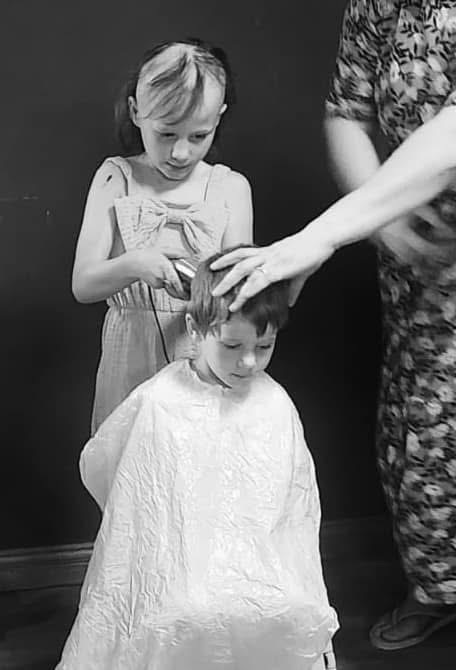
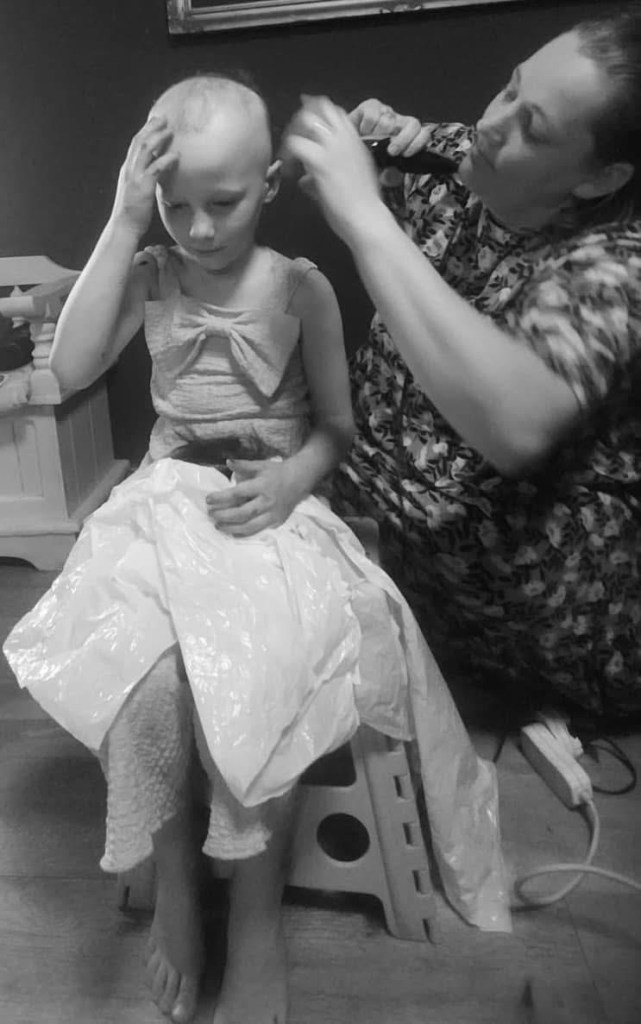
For us, it started with small moments — noticing little changes that we didn’t fully understand at the time. Looking back now, those moments were the beginning of a journey we never expected, but one that has taught us so much about courage, strength and acceptance.
This space is about sharing that journey.
Our daughter, Kqiara, was diagnosed with Alopecia, a condition that causes hair loss. At first there were many questions, emotions and unknowns. But along the way we also discovered something powerful — how resilient children can be, and how much beauty there is in embracing who you are.
This blog is not just about Alopecia.
It’s about the real moments behind it:
learning growing understanding and sometimes simply figuring things out as we go.
We know that people often have questions about Alopecia. Sometimes they may feel unsure about asking them, worried that they might say the wrong thing. Here, questions are welcome.
Nothing is offensive and nothing is off limits.
The only way we learn and understand each other better is by talking openly.
If sharing our story helps someone understand Alopecia better, encourages another family, or simply starts a conversation — then this space will have served its purpose.
Thank you for being here and for taking the time to walk a little part of this journey with us.


 Kaalkopkjint©️